
Market overview
Dallas real estate: how the market is put together
An orientation to Dallas, Texas and the Dallas–Fort Worth metroplex — the geography, the housing stock, the ownership structures and the records that determine what a property actually costs to own.
- State income tax
- None in Texas
- Sale prices
- Non-disclosure state
- Property tax
- Set by overlapping local units
- Neighborhood guides
- 8 areas covered
The geography that shapes decisions
Dallas anchors the eastern half of the Dallas–Fort Worth metroplex, a multi-county region with dozens of independent municipalities. Two practical consequences follow. First, an address a few miles apart from another can sit in a different city, school district and set of taxing units, with different permitting rules and utility providers. Second, commuting patterns are dispersed rather than concentrated on a single downtown core, so where you work influences area choice differently than it would in a monocentric city.
Within the city of Dallas, the central districts near downtown — Uptown, Oak Lawn, the Design District, Knox-Henderson — are the densest and are dominated by condominiums, townhomes and mid-rise construction. Moving outward, East Dallas, North Dallas and North Oak Cliff are primarily detached housing on platted lots, with the construction era of each neighborhood driving much of what a buyer experiences: lot size, tree canopy, foundation type, electrical capacity and renovation history.
Housing stock and what it implies
- Pre-war and mid-century detached housing. Common across East Dallas and older North Oak Cliff blocks. Expect original systems in some homes, slab-on-grade or pier-and-beam foundations depending on era, and renovation histories that must be checked against permit records.
- Post-war and late-century detached housing. Common in Lake Highlands and much of North Dallas. Larger lots in some subdivisions, more consistent floor plans, and systems now reaching or past typical service life.
- Attached and multi-family-for-sale. Condominiums, townhomes and converted lofts concentrated in central districts. The building's finances matter as much as the unit: reserves, assessment history, insurance structure and governing documents.
- New construction. Present both as infill in established neighborhoods and as subdivisions in outlying suburbs, with builder contracts and warranty terms that differ substantially from resale transactions.
Taxes, disclosure and cost of ownership
Texas does not levy a state individual income tax, and property taxes carry a larger share of local revenue as a result. Your annual bill is the product of the appraised value set by the county appraisal district, any exemptions you qualify for, and the combined rates of every taxing unit covering the parcel — county, city, school district and any special districts. Two homes at the same price can carry meaningfully different bills.
Texas is also a non-disclosure state: sale prices are not recorded publicly. That is why a defensible value opinion in Dallas is built from MLS comparable sales plus property characteristics, and why automated estimates drawn from incomplete price data should be treated as a starting point rather than a conclusion.
Insurance is the third variable that surprises people. Roof age and condition, claims history on the property, foundation history and construction materials all affect premiums and deductible structures in North Texas. Quote insurance during your option period, not after.
What to verify for any address
- The county appraisal district account: ownership, appraised value, exemptions and the full list of taxing units.
- A current survey, with easements, setbacks and encroachments identified.
- Floodplain status through the current federal flood maps and local floodplain administrator.
- Deed restrictions, and HOA or condominium governing documents, budget, reserves and assessment history.
- Permit history with the permitting jurisdiction for additions, foundation work, electrical and plumbing.
- Utility, water, wastewater and trash service providers, which vary by municipality.
None of these is expensive to check. Each one is expensive to discover late.
Areas
Neighborhood orientation
Eight guides covering housing stock, access, development context and the diligence items specific to each area.

Central Dallas
Uptown Dallas
Area guide
Central Dallas
Oak Lawn
Area guide
East Dallas
Lakewood
Area guide
Northeast Dallas
Lake Highlands
Area guide
North Dallas
Preston Hollow
Area guide
North Oak Cliff
Bishop Arts & Oak Cliff
Area guide
Northwest of downtown
Design District
Area guide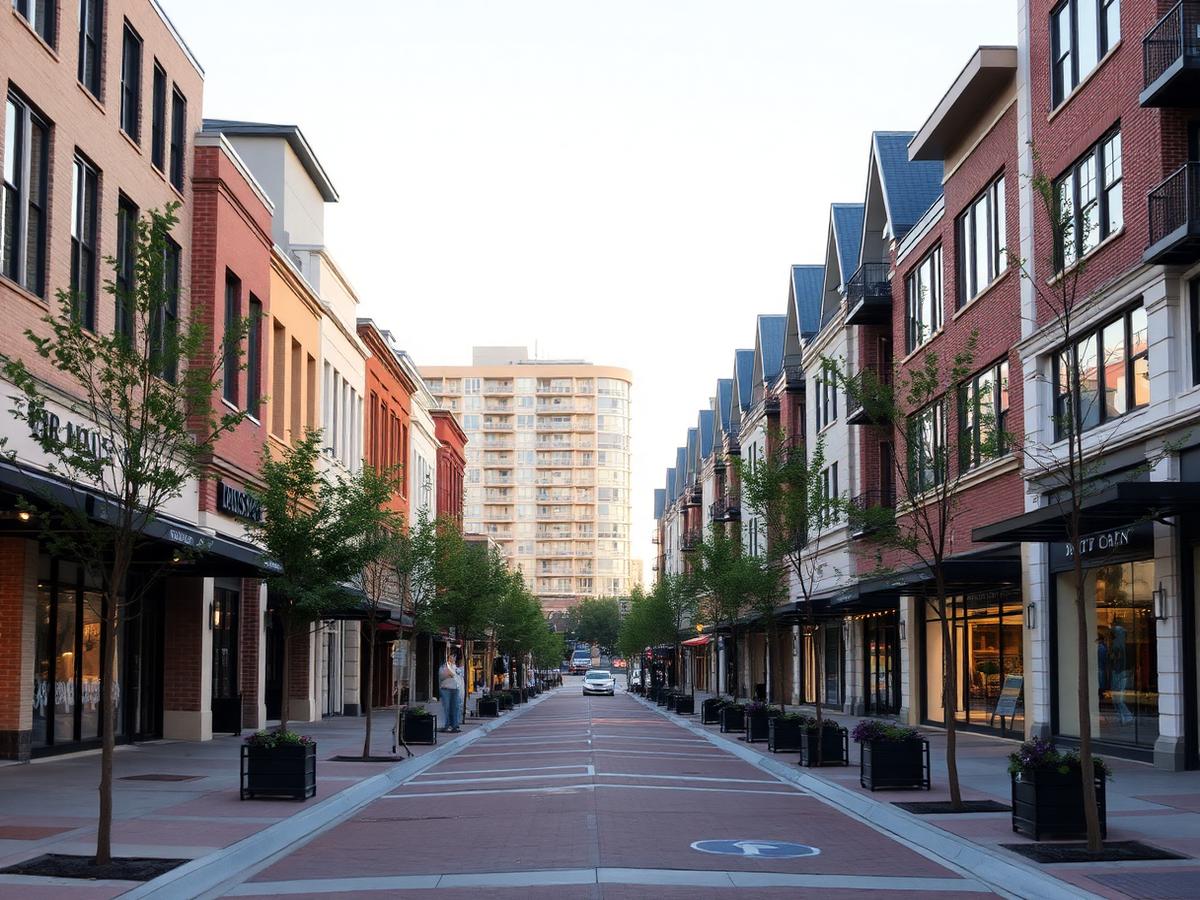
Central / East-Central Dallas
Knox-Henderson
Area guideGo deeper
Guides that build on this overview
Long-form Dallas guidance on buying, selling, value and relocation — each one written to be checked against a primary source.
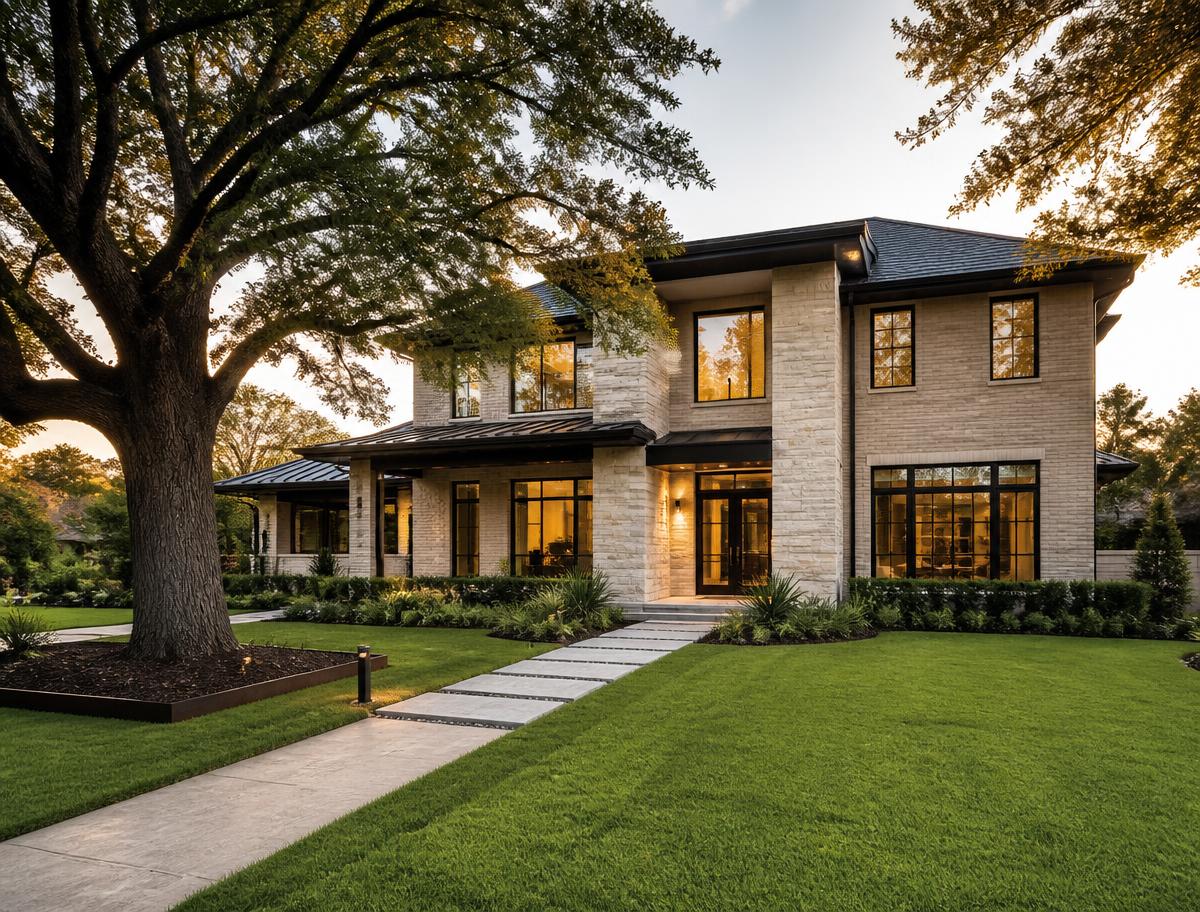
Buying a Home in Dallas: The Step-by-Step Process
Every stage of a Dallas purchase in order, with the Texas-specific mechanics — option period, title process and closing — explained plainly.

Selling a Home in Dallas: Preparation, Pricing and the Path to Closing
A seller's sequence for Dallas: what to fix, how pricing is actually determined, how to evaluate offers on more than price, and how the closing path unfolds.

Moving to Dallas: A Practical Guide to Choosing the Right Area and Planning Your Move
How to turn a broad relocation into a specific, defensible decision: search criteria, area evaluation, timeline sequencing and the costs people underestimate.
Frequently asked questions
Apply this to your own search
Bring an address, a neighborhood shortlist or an open-ended question. You'll get the specific records to pull and what they will tell you.